




Hair systems for women come in two main forms. A topper or integration piece adds hair where you are thinning and blends with your own; a full-cap system replaces the hair across the whole scalp, for alopecia totalis or hair loss after chemotherapy. Which one suits you depends on how much of your own hair is left and how strong it is.
A hair system is cosmetic hair replacement, not treatment. It covers hair loss and does not change what is causing it. If you are being treated for the cause, tell your doctor and your technician about each other, so neither one interferes with the other.
Topper, integration piece or full cap: which do you need?
Topper (partial system). Covers the parting and the crown, where female thinning usually shows first. Your own hair at the sides and back hides the edges. It can be attached with clips, tape or adhesive.
Integration piece. A fine mesh base with small openings. Your own hair is pulled through the openings and mixes with the system's hair, so the two move together. It suits diffuse thinning where you still have a fair amount of hair with some length.
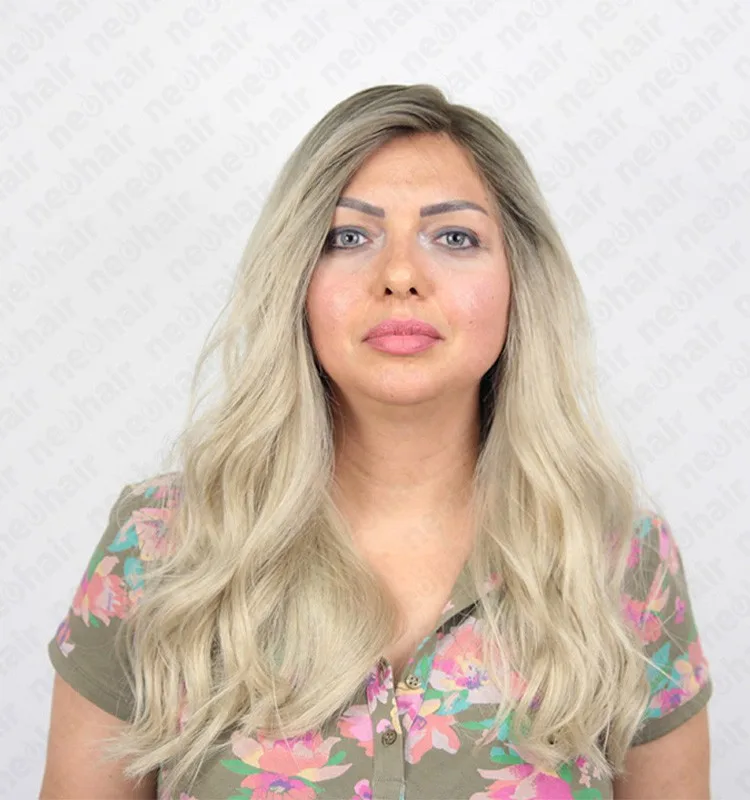
Full-cap system. Covers the whole scalp. It is the option for total hair loss, and because there is no hair of your own to hide the edges, the hairline, temples and nape have to be designed with particular care.
| Option | Covers | Your own hair | Usual attachment | Suits |
|---|---|---|---|---|
| Topper | Parting and crown | Hides the edges at the sides and back | Clips, tape or adhesive | Thinning concentrated on top |
| Integration piece | Top, or a wider thinning area | Pulled through the base and blended | Clips or bonding at the edges | Diffuse thinning with some length left |
| Full cap | Whole scalp | Not needed | Tape or adhesive around the perimeter | Alopecia totalis, chemotherapy, extensive loss |
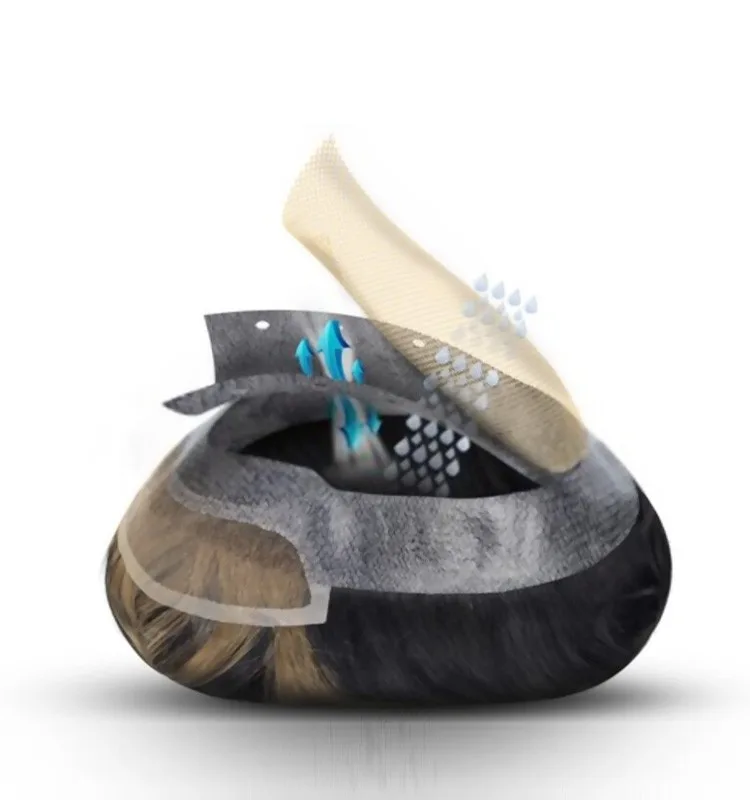
Women's systems use the same bases as men's: lace, thin skin, mono and hybrids. For the differences between them, see how to choose a hair system base.
What is the best hair system for thinning hair in women?
For diffuse thinning, three details matter more than the brand or the price.
How it is attached
Clips grip your own hair. If that hair is already fine, clips worn in the same places every day can pull it out over time. This is traction hair loss, and it is avoidable: move the clip positions regularly, choose clips lined with silicone, or consider a bonded topper that does not rely on your hair at all.
A bonded topper needs skin to stick to. In most cases a narrow strip of hair under the bonding edge is trimmed very short. Ask exactly how much will be trimmed, and where, before you agree.
The parting
The parting is where a woman's system is judged. A mono or thin-skin parting lets the scalp show through as it would naturally. Decide where you want to part your hair before the system is made, because moving the parting later rarely looks right.
Colour
The system's colour is matched to your own hair, including highlights and any root shade. Your own hair keeps changing; the system's does not. If you colour your hair, plan to keep your own colour close to the system rather than recolouring the system every time.
Before any of this, have the cause of your thinning checked by a doctor. Thyroid problems, iron deficiency and hormonal changes can all thin hair, and some causes are treatable. A system can be worn while you find out.
Hair systems for alopecia areata and alopecia totalis
Alopecia areata causes patches of hair loss that can grow back, spread or appear somewhere new. A system can cover them, but sizing is harder than with pattern hair loss. A topper slightly larger than the current patches gives some margin. If the patches are widespread or keep moving, a full cap is often simpler.
Tell the technician about any cream, lotion or injection treatment on your scalp. Adhesive will not hold on skin covered in a topical product, and the base would sit over the area being treated. Your dermatologist and your technician may need to agree on which areas stay uncovered.
With alopecia totalis or universalis there is no hair to blend with, and that brings one advantage: a smooth scalp gives a very secure bond. The design work moves to the edges. The hairline, temples and nape all have to look natural with nothing of your own around them. A hair system covers the scalp only; eyebrows and lashes are a separate question for a brow or lash specialist.
Hair systems after chemotherapy: timing and scalp care
Hair loss from chemotherapy is often temporary, though not always. A system can help at three stages.
Before treatment starts
If you can, have your hair analysed before it falls out. Photos and a colour match taken from your own hair give a better result than matching from memory later, and you have time to choose the cut calmly.
During treatment
The scalp can become sensitive, dry or easily irritated during chemotherapy, and your immune system may be lowered. Get clearance from your oncologist or treatment team before anything is bonded to your skin. A removable option is often the better choice for this period: it comes off at night and needs no adhesive at all.
After treatment
Hair often grows back with a different texture or colour at first. A topper or integration piece can cover the regrowth period, and as your own hair gains length you may stop needing it. Where the loss turns out to be permanent, a full-cap system becomes a long-term option, fitted once your doctors are happy with the condition of your scalp.
Privacy and comfort at the appointment
You decide how much you share, and with whom. The process can start privately from home: the first analysis is done from photos you send over WhatsApp, and you can ask questions in writing before you meet anyone.
When you book, say what would make the visit easier. A quiet time of day, a private room or a female technician are all reasonable things to ask about, and you do not need to explain why.
After fitting, nobody needs to know unless you tell them. To other people, a well-matched system looks like a new haircut.
Long hair, styling and colour on a women's hair system
- Length adds weight and wear. Long hair tangles more at the nape and needs more care. It also costs more to make.
- Heat styling is fine on a low or medium setting. System hair cannot recover from heat damage, because no new hair grows into it.
- Going darker is safer than going lighter. Lightening damages hair that cannot be replaced, so leave colour changes to a professional who knows hair systems.
- Lifespan is similar to men's systems: roughly 6 months to 2 years depending on the base and care, with long hair wearing fastest at the ends.
Neo Hair has fitted hair systems for women in Istanbul since 2009, for thinning, alopecia and hair loss after cancer treatment. You can read more about the options on the women's hair systems page. To start, send a few photos over WhatsApp for a free, private analysis.